Investigation That Reveals the Full Contamination Scope
Mold Testing and Environmental Assessment in Goodrich for properties with visible growth, persistent odors, or recent water intrusion
Atlas Service Group, LLC performs mold testing and environmental assessment for property owners, restoration teams, and contractors facing uncertain indoor conditions after moisture events. You need this service when visible growth appears in multiple rooms, when musty odors persist despite cleaning, or when prior water damage left questions about hidden contamination. Testing establishes the contamination extent before remediation planning begins, preventing mid-project surprises that delay timelines and inflate budgets.
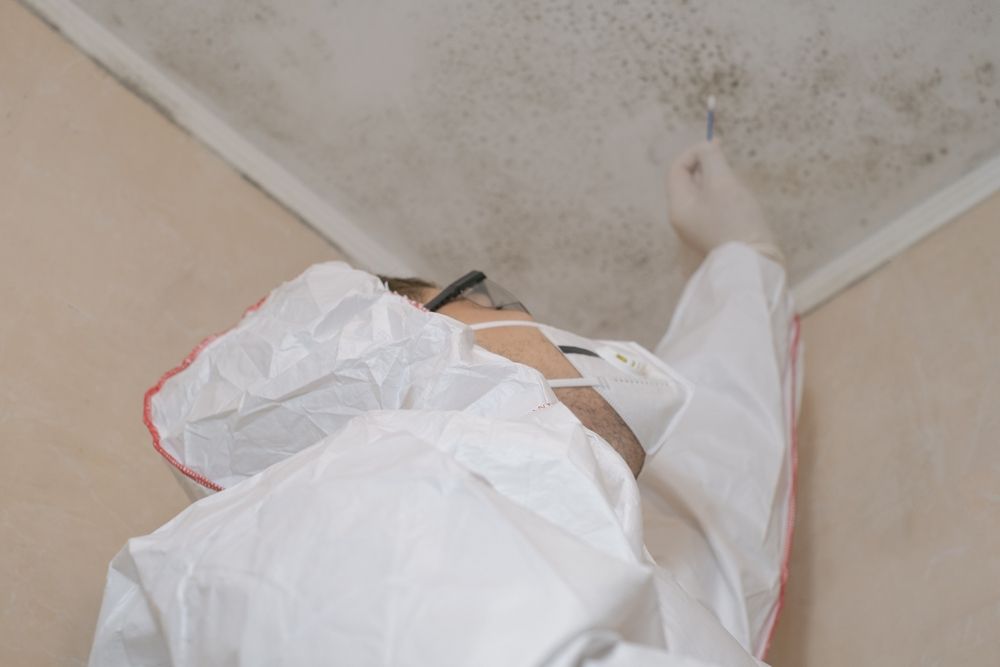
The assessment involves air sampling, surface swabs, and moisture mapping to determine whether mold is actively growing, what species are present, and where moisture sources continue feeding the problem. Sampling results identify which building materials require removal and whether airborne spore levels indicate widespread distribution beyond the visible area.
Schedule an on-site assessment to evaluate moisture patterns and determine sampling locations based on building layout and damage history.
How Environmental Data Shapes the Remediation Plan
Your assessment includes documentation of moisture readings, visible conditions, and sample collection points across affected and adjacent zones. Lab analysis identifies mold genus and provides spore concentration data that informs containment boundaries and material removal depth. Testing distinguishes between surface contamination that responds to localized cleaning and systemic growth requiring full drywall or insulation replacement.
Once results return, you receive a written report showing sample locations, lab findings, and moisture readings that outline the project scope. Atlas Service Group, LLC uses that data to recommend containment protocols, material removal limits, and post-remediation verification testing that confirms airborne spore levels have returned to baseline. The report becomes the foundation for contractor bids, insurance documentation, and remediation sequencing when multiple trades coordinate repairs.
Assessment findings also reveal whether ongoing moisture intrusion requires plumbing repair, roof work, or drainage correction before remediation begins. Addressing the moisture source first prevents recontamination after materials are replaced and surfaces are treated.
Common Questions About Environmental Assessments
Property stakeholders managing moisture concerns often ask similar questions before scheduling testing. Understanding the assessment process helps you plan the next phase of restoration or remediation work.
What happens during a mold assessment?
The process includes visual inspection of affected areas, moisture meter readings on walls and ceilings, air sample collection using calibrated pumps, and surface swabs from visible growth or suspect staining. Samples are sent to an accredited laboratory for species identification and spore quantification.
How does Michigan humidity affect mold growth timelines?
Goodrich experiences seasonal humidity swings and freeze-thaw cycles that drive condensation in poorly ventilated basements and attics. Mold can colonize damp drywall or insulation within 48 to 72 hours if moisture levels remain elevated, making prompt assessment critical after flooding or pipe leaks.
Why test if mold is already visible?
Visible growth indicates a moisture problem, but testing reveals whether contamination has spread through HVAC systems, wall cavities, or adjoining rooms where spores travel but growth isn't obvious. Lab results also identify species that inform material handling protocols during remediation.
What factors determine sampling locations?
Sample placement depends on visible damage extent, airflow patterns, HVAC layout, and areas with elevated moisture readings. Baseline samples from unaffected rooms provide comparison data to assess whether contamination is localized or building-wide.
When should testing occur during a restoration project?
Testing before demolition or material removal establishes the contamination baseline and prevents cross-contamination during construction. Post-remediation clearance testing confirms that airborne spore levels meet acceptable thresholds before reconstruction begins.
Atlas Service Group, LLC coordinates testing schedules with restoration timelines and contractor availability to minimize project delays. Request an environmental assessment to document current conditions and establish the remediation scope before work begins.