Hidden Hazards Exposed During Property Losses
Asbestos Removal After Water, Fire, and Storm Damage in Goodrich for restoration professionals and property owners managing complex insurance claims
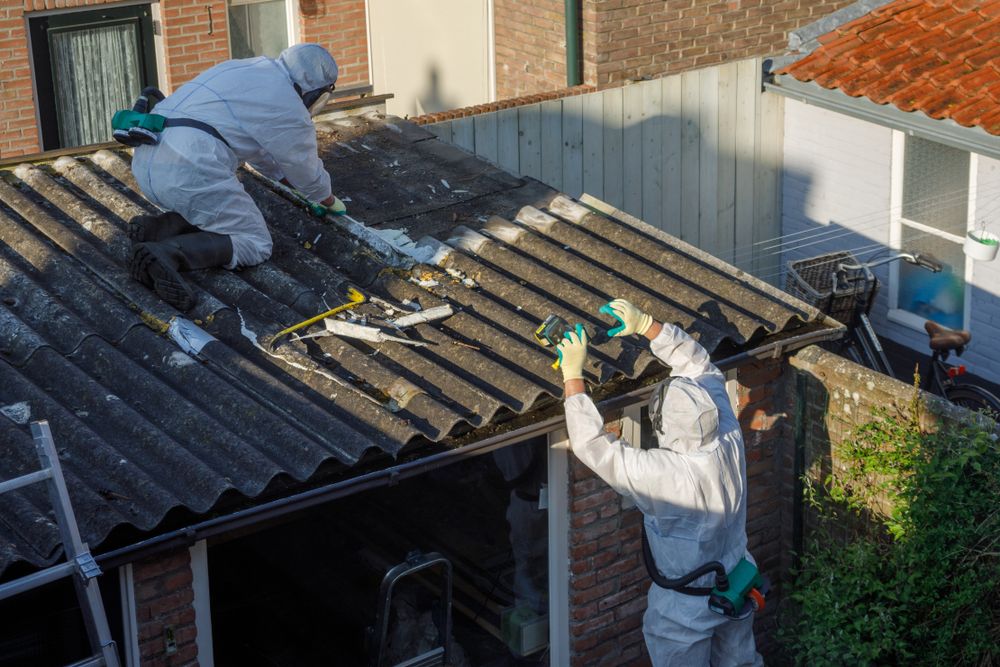
Water intrusion saturates ceiling tiles and deteriorates their structural integrity, fire damage chars pipe insulation and increases friability, and storm impacts dislodge roofing felts that remained stable for decades before the loss event. These property losses expose or disturb building materials that require asbestos evaluation before restoration, reconstruction, or cleanup expands affected areas. Atlas Service Group, LLC removes confirmed asbestos materials after water, fire, and storm damage in Goodrich, coordinating environmental work with restoration timelines and insurance-related project schedules so repairs can proceed without regulatory delays or contractor exposure concerns.
Removal begins with rapid material evaluation to identify which damaged products contain asbestos and require specialized handling before restoration teams extract debris, dry structural cavities, or rebuild affected spaces. Containment protocols isolate compromised materials, and licensed workers remove asbestos-containing products under wet methods that prevent additional fiber release during extraction and packaging.
Discuss your property-loss project to determine whether damaged materials require asbestos evaluation and removal before restoration work continues.
What Changes After Environmental Concerns Are Addressed
Addressing asbestos hazards before restoration proceeds prevents cross-contamination that occurs when general cleaning equipment, demolition tools, or reconstruction activities disturb materials that were never evaluated after the loss event. Water-damaged ceiling tiles tested and removed under containment eliminate the risk of fiber release during drying operations, and fire-compromised insulation extracted by licensed abatement workers allows HVAC contractors to safely replace damaged mechanical systems without exposure concerns.
Once removal concludes and clearance air sampling confirms safe conditions, restoration professionals re-enter the property to complete moisture mitigation, structural drying, reconstruction, and final cleaning without environmental interruptions. Insurance adjusters receive documentation confirming regulatory compliance, contractors avoid liability exposure from undisclosed hazards, and property owners resume occupancy without lingering concerns about materials disturbed during the loss event.
Removal does not restore the property or repair damage caused by water, fire, or storms—it addresses the environmental hazard so restoration teams can safely perform their scopes. Some projects require sequential removal as reconstruction uncovers additional suspect materials behind walls or above ceilings, while others complete all environmental work during initial emergency response before restoration begins.
Questions Before Starting Your Project
Restoration contractors, insurance-related project teams, and property owners managing losses that compromise original building materials often coordinate environmental planning before cleanup and repairs begin.
Why do property losses increase asbestos concerns?
Water intrusion, fire heat, and storm impacts compromise materials that were non-friable and stable before the event—saturated ceiling tiles crumble during handling, charred pipe wraps release fibers when disturbed, and wind-damaged roofing felts fracture during debris removal, all increasing regulatory concern and exposure risk.
How quickly can removal begin after a loss event?
Removal can mobilize within days once testing confirms asbestos content and project planning defines the affected scope—rapid coordination prevents restoration delays and allows environmental work to proceed concurrently with emergency services like water extraction and structural stabilization in Goodrich.
What role do insurance adjusters play in asbestos removal?
Adjusters review testing documentation, approve abatement scopes as part of covered loss estimates, and require compliance records before authorizing payments for subsequent restoration phases—early environmental evaluation helps adjusters understand total project costs and regulatory obligations.
How does removal affect restoration timelines?
Removal adds time to overall project duration but prevents longer delays caused by mid-project work stoppages when undisclosed hazards appear during demolition—coordinating environmental work early keeps restoration on schedule and avoids contractor demobilization while waiting for emergency abatement.
What documentation do property owners receive after removal?
Owners receive laboratory testing results, abatement project plans, clearance air sampling reports, waste disposal manifests, and completion certificates that satisfy insurance requirements and permit authorities reviewing environmental compliance before final occupancy approval.
Atlas Service Group, LLC coordinates asbestos removal for water-damaged properties, fire-loss projects, and storm-impacted buildings where environmental hazards complicate restoration timelines. Call (810) 412-8322 to evaluate damaged materials and define the removal scope required before cleanup and reconstruction proceed.