Environmental Work That Precedes Major Construction
Asbestos Removal for Renovation and Demolition in Goodrich for contractors and property owners managing projects that disturb original building materials
Pipe insulation that crumbles when bumped, ceiling tiles that fracture during removal, and flooring mastic that releases dust under mechanical scraping all create regulatory concerns when those materials contain asbestos fibers. Renovation and demolition projects in Goodrich routinely encounter suspect materials that interrupt schedules and require environmental controls before construction continues. Atlas Service Group, LLC removes confirmed asbestos-containing materials before remodeling, selective demolition, or major property upgrades proceed, allowing contractors to safely perform structural work without regulatory violations or fiber exposure.
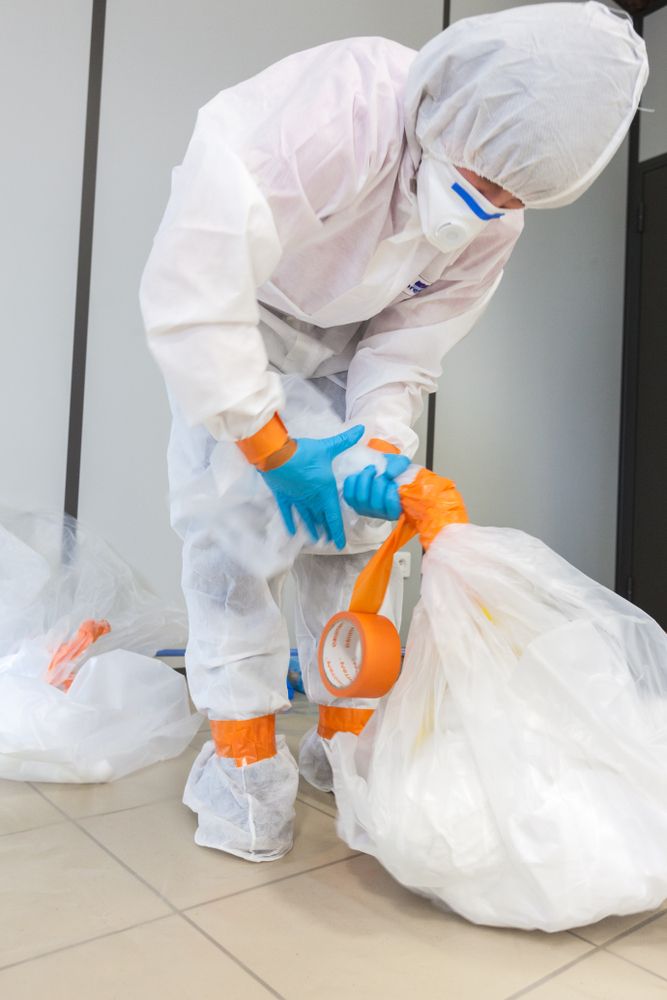
Removal begins after laboratory testing confirms asbestos content and project planning defines which materials require extraction before other trades mobilize. Containment barriers isolate work zones, negative air equipment prevents fiber migration, and licensed workers systematically remove materials using wet methods and hand tools that limit dust generation during extraction.
Review your project scope to determine whether asbestos removal must precede renovation or demolition activities.
Why Removal Happens Before Construction Begins
Removal occurs early in construction sequencing because general contractors cannot legally disturb confirmed asbestos-containing materials without specialized licensing, insurance, and notification compliance. Michigan regulations require licensed abatement when friable materials exceed specific quantities or when non-friable materials will be mechanically pulverized, sanded, or otherwise rendered airborne during removal. Coordinating environmental work before demolition or remodeling begins prevents mid-project work stoppages and allows construction schedules to proceed without waiting for emergency abatement.
After removal, containment areas are decontaminated, air sampling confirms fiber concentrations meet clearance standards, and you receive documentation that permits other contractors to enter the space and resume work. Walls previously covered with asbestos-containing joint compound are now ready for drywall installation, and mechanical rooms cleared of pipe insulation allow HVAC upgrades to proceed without exposure concerns.
Removal addresses only confirmed asbestos hazards—it does not include structural demolition, waste hauling for non-asbestos debris, or reconstruction activities. Some renovation projects require partial removal to accommodate selective demolition, while others clear entire floors or buildings before major tenant improvements begin.
What Property Owners Usually Ask
Contractors bidding remodeling projects, commercial property managers planning tenant improvements, and homeowners preparing older residences for updates often need environmental planning before construction begins.
What renovation activities trigger asbestos removal requirements?
Activities that disturb confirmed asbestos materials—including ceiling tile removal, flooring demolition, pipe insulation extraction, wall surface grinding, or roofing tear-offs—require licensed removal when material quantities exceed Michigan regulatory thresholds for friable and non-friable products.
How does removal differ from standard demolition?
Removal uses containment barriers, HEPA-filtered negative air pressure, wet methods to suppress dust, and licensed workers trained in fiber exposure prevention—standard demolition uses mechanical equipment, open work areas, and general labor without environmental controls.
When should removal be scheduled relative to other construction phases?
Removal occurs after testing confirms asbestos content but before general contractors begin demolition, selective removal, or remodeling activities—coordinating removal early prevents schedule delays and ensures compliance before other trades disturb materials in Goodrich.
What happens to materials after removal?
Removed materials are double-bagged in labeled polyethylene, sealed to prevent leakage, and transported to Michigan-approved disposal facilities that accept asbestos waste—waste manifests document legal disposal and provide regulatory compliance records for property owners and contractors.
How do contractors know when removal is complete?
Contractors receive clearance air sampling results showing fiber concentrations below regulatory thresholds, visual inspection reports confirming debris removal, and project completion documentation that satisfies permit authorities before construction resumes.
Atlas Service Group, LLC performs asbestos removal for renovation projects, demolition scopes, and commercial upgrades where environmental hazards must be addressed before construction activities proceed. Schedule an evaluation to confirm removal requirements and coordinate environmental work with your construction timeline.