Containment and Removal for Confirmed Contamination
Mold Remediation in Goodrich for properties with confirmed growth after water intrusion, leaks, or flooding
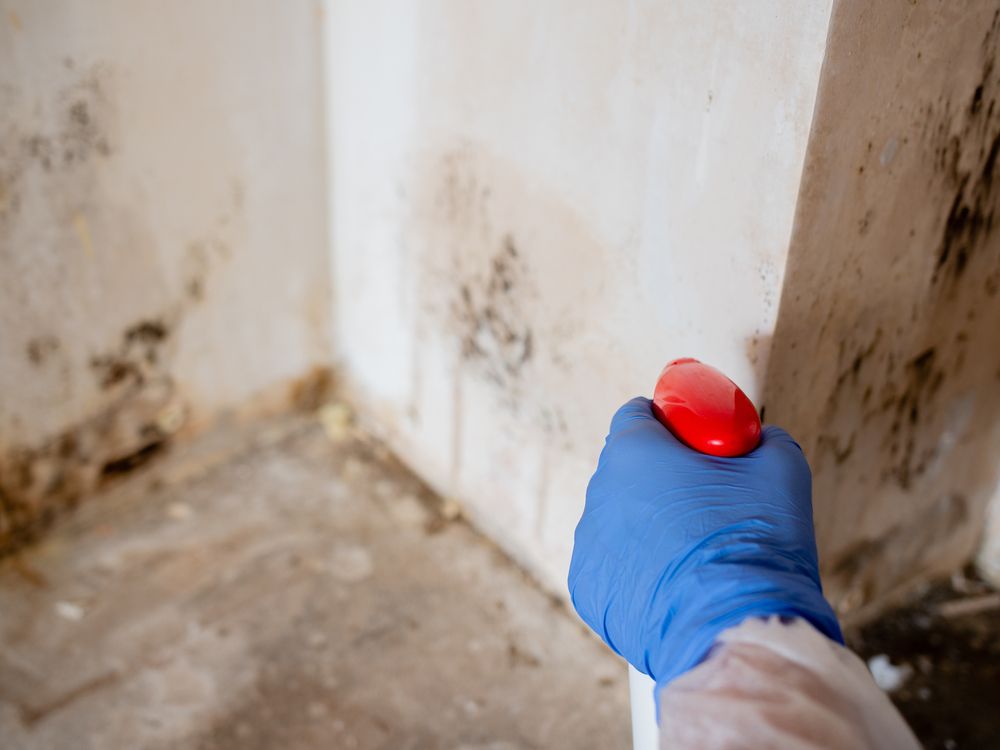
Visible mold growth following a basement flood or roof leak creates a remediation project that requires material removal, containment setup, and air filtration to prevent cross-contamination during demolition. Atlas Service Group, LLC provides mold remediation for residential and commercial properties where water damage has created sustained moisture conditions that support fungal colonization. You notice the need when drywall shows surface staining, insulation feels damp weeks after the initial event, or persistent odors indicate hidden growth inside wall cavities.
Remediation begins with establishing physical containment barriers using polyethylene sheeting and negative air pressure to isolate affected zones from occupied spaces. Contaminated materials—drywall, insulation, baseboards, and compromised framing—are removed, bagged, and disposed of following environmental handling protocols. HEPA-filtered air scrubbers run continuously during demolition to capture airborne spores released when materials are disturbed.
Request a project evaluation to review affected areas and determine material removal limits based on moisture readings and damage extent.
What Proper Remediation Requires
Your project involves controlled demolition in stages, with containment adjusted as removal progresses and previously hidden damage is exposed. Technicians wear respirators and protective suits during material handling to prevent exposure to disturbed spores. After demolition, remaining framing and structural surfaces are HEPA-vacuumed and treated with antimicrobial solutions where appropriate, preparing the area for reconstruction.
Once material removal and surface cleaning are complete, you see bare studs and subfloor where contaminated finishes previously existed, with no visible staining or odor remaining. Clearance testing confirms that airborne spore levels have returned to baseline before new drywall, insulation, and trim are installed. The space is left ready for the next phase of restoration, with moisture sources corrected to prevent recontamination.
Remediation does not include structural repairs, plumbing corrections, or roof work required to eliminate the original moisture source. Those repairs typically occur before or alongside remediation, coordinated with general contractors or restoration teams managing the broader recovery scope.
Answers to Frequent Service Questions
Homeowners and property managers coordinating restoration work often ask about remediation procedures and project sequencing. Clarifying these details helps align remediation with the overall repair schedule.
How is containment established in occupied buildings?
Containment involves sealing doorways and vents with polyethylene sheeting, installing zippered entry panels for technician access, and positioning HEPA air scrubbers to maintain negative pressure. This setup prevents spores from migrating into unaffected rooms during demolition.
What determines how much material gets removed?
Removal boundaries are based on visible damage, moisture meter readings, and testing results that show contamination extent. Drywall is typically cut back at least 12 inches beyond visible staining to ensure all compromised material is eliminated.
Why does Michigan basement flooding lead to recurring mold issues?
Goodrich sits in a region with clay-heavy soils and seasonal groundwater fluctuation that drives hydrostatic pressure against foundation walls. Without exterior drainage correction or sump pump installation, basements remain vulnerable to repeated intrusion that reintroduces moisture after remediation is complete.
When should remediation happen relative to other repairs?
Remediation should occur after the moisture source is repaired but before reconstruction begins. This sequencing ensures that new materials aren't installed in an environment where contamination persists or moisture levels remain elevated.
What documentation is provided after remediation?
You receive a project summary detailing materials removed, containment protocols used, and clearance test results showing post-remediation spore counts. This documentation supports insurance claims and provides verification for future property transactions.
Atlas Service Group, LLC coordinates remediation timelines with general contractors, restoration companies, and insurance adjusters to keep the overall project moving forward. Contact us to discuss the contamination scope and plan the remediation phase of your property recovery.