
Surface Preparation That Supports the Next Repair Phase
Media Blasting in Goodrich for removing coatings, soot, and residues from commercial and restoration project surfaces
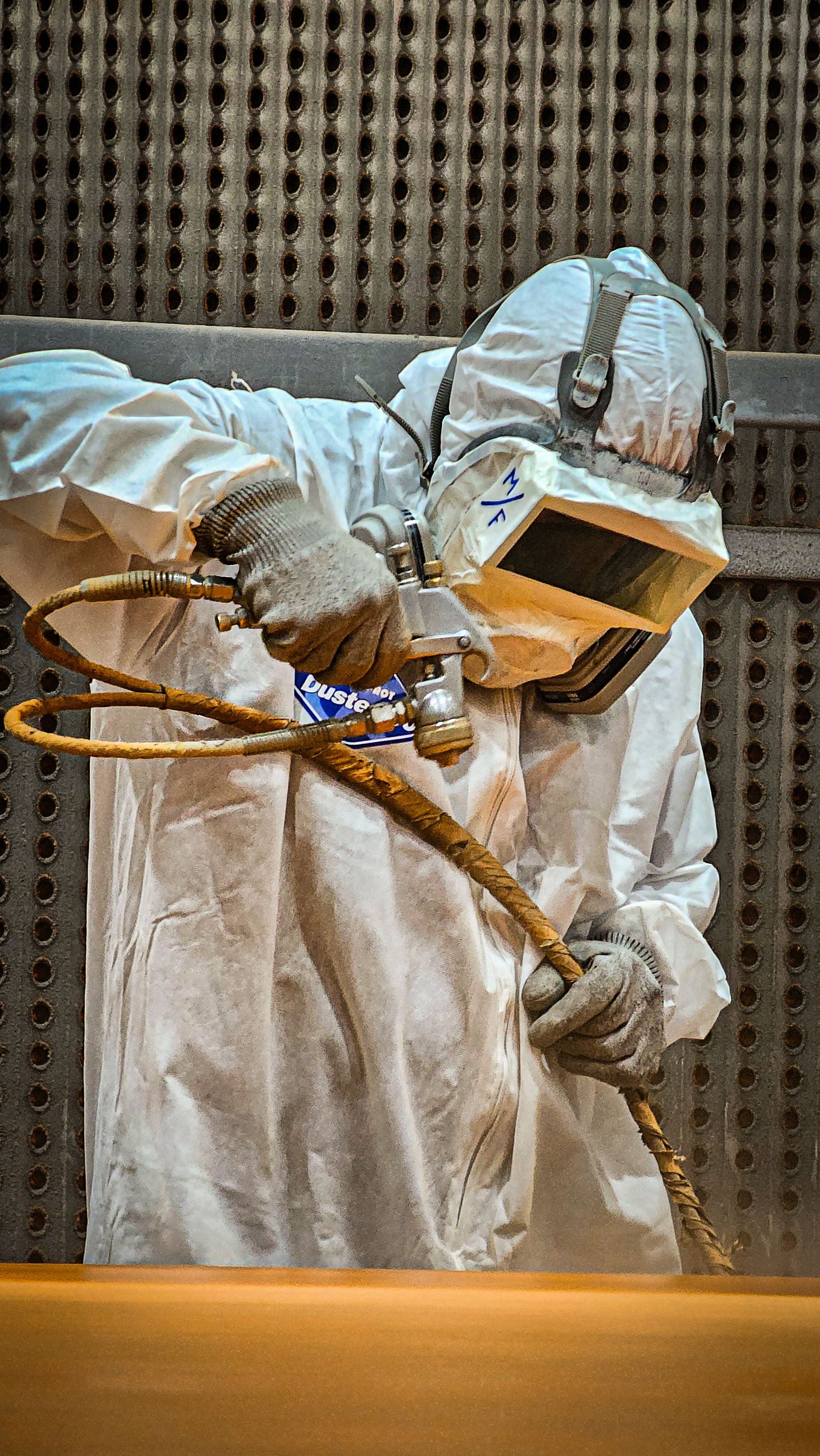
Restoration and renovation projects often encounter surfaces coated with fire-related soot, failed paint systems, industrial residues, or contaminants that prevent proper adhesion of new finishes. Media blasting removes these unwanted layers using controlled abrasive impact, exposing clean substrate ready for repair, sealing, or refinishing. Atlas Service Group, LLC performs media blasting for commercial properties, fire-damaged buildings, and contractor-led restoration scopes where surface conditions require preparation beyond manual cleaning. You need this service when soot penetration, blistered coatings, or heavy contamination make surfaces unsuitable for immediate repair work.
The process involves selecting appropriate blasting media—dry ice, crushed glass, sodium bicarbonate, or walnut shells—based on substrate type and contamination severity. Dry ice blasting is especially effective for sensitive equipment and delicate structures because the CO₂ pellets sublimate on impact, leaving no secondary waste or grit behind. Blasting equipment directs media at controlled pressure to strip coatings and residues without damaging underlying materials such as brick, concrete, or structural steel. Surfaces emerge free of contaminants, with texture suitable for bonding primers, sealers, or new finish coatings.
Submit project details to discuss surface conditions, substrate materials, and the required preparation scope before restoration or refinishing proceeds..
What Blasting Accomplishes Before Refinishing
Your project begins with surface evaluation to determine blasting media type, pressure settings, and containment measures needed to protect surrounding areas from dust and debris. Blasting is performed in stages, with progress monitored to ensure coatings are fully removed without etching or damaging the substrate. Ventilation and dust extraction systems control airborne particulates during the process, maintaining safe working conditions and minimizing cleanup requirements.
After blasting is complete, you see clean, uniform surfaces with previous coatings, soot staining, and contamination removed. Brick returns to its natural appearance, concrete shows consistent texture, and steel framing is free of rust scale or fire residue. The prepared surface accepts primers, sealers, and finish coatings with proper adhesion, reducing the risk of future delamination or coating failure. This preparation step supports the overall restoration timeline by ensuring subsequent trades can proceed without delays caused by inadequate surface conditions.
Media blasting does not include structural repairs, coating application, or moisture sealing. Those tasks are handled by specialty contractors or restoration teams as part of the broader project scope, with blasting serving as the preparatory step that makes finish work possible..
Common Questions About This Service
Contractors and project managers coordinating restoration work often ask about blasting methods, surface compatibility, and how the service integrates with construction schedules. Clarifying these points helps align preparation work with the overall project flow.
What types of surfaces can be safely blasted?
Masonry, concrete, steel, and certain wood substrates tolerate blasting when appropriate media and pressure are used. Softer materials like drywall or thin metal panels may require alternative cleaning methods to avoid surface damage.
How is dust controlled during blasting operations?
Containment involves polyethylene barriers, negative air pressure systems, and HEPA-filtered vacuums that capture dust at the blast nozzle. This setup prevents contamination of adjoining areas and keeps airborne particulates within the work zone.
Why does fire damage require blasting instead of washing?
Soot from structural fires penetrates porous surfaces like brick and concrete, embedding carbon particles that resist conventional cleaning. Blasting physically removes the contaminated surface layer, eliminating odor sources and staining that would otherwise bleed through new coatings.
When should blasting occur in the restoration sequence?
Blasting typically happens after demolition and structural repairs are complete but before finish coatings, sealers, or refinishing work begins. This sequencing prevents contamination of newly applied finishes and ensures surfaces are ready for immediate coating once blasting is done.
What factors determine blasting media selection?
Media choice depends on substrate hardness, coating type, and desired surface profile. Sodium bicarbonate works well for delicate surfaces, crushed glass handles heavy industrial coatings, and walnut shells effectively remove soot without damaging underlying brick or wood.
Atlas Service Group, LLC coordinates blasting projects with general contractors and restoration teams to ensure surface preparation aligns with project milestones and finish schedules. Call (810) 412-8322 to review your surface conditions and plan the blasting scope required for your commercial or restoration project.