
Materials That Require Investigation Before Work Starts
Asbestos Testing in Goodrich for properties requiring material evaluation before renovation or demolition begins
Atlas Service Group, LLC performs asbestos testing for contractors, restoration professionals, and property owners preparing to disturb suspect building materials in Goodrich. The service identifies whether ceiling tiles, pipe insulation, floor mastic, drywall compounds, roofing felts, or siding contain asbestos fibers that require additional controls during renovation, selective demolition, or restoration work. Before any contractor opens walls, removes flooring, or begins structural repairs, testing provides documented confirmation about what materials are present and whether the project scope must expand to include abatement.
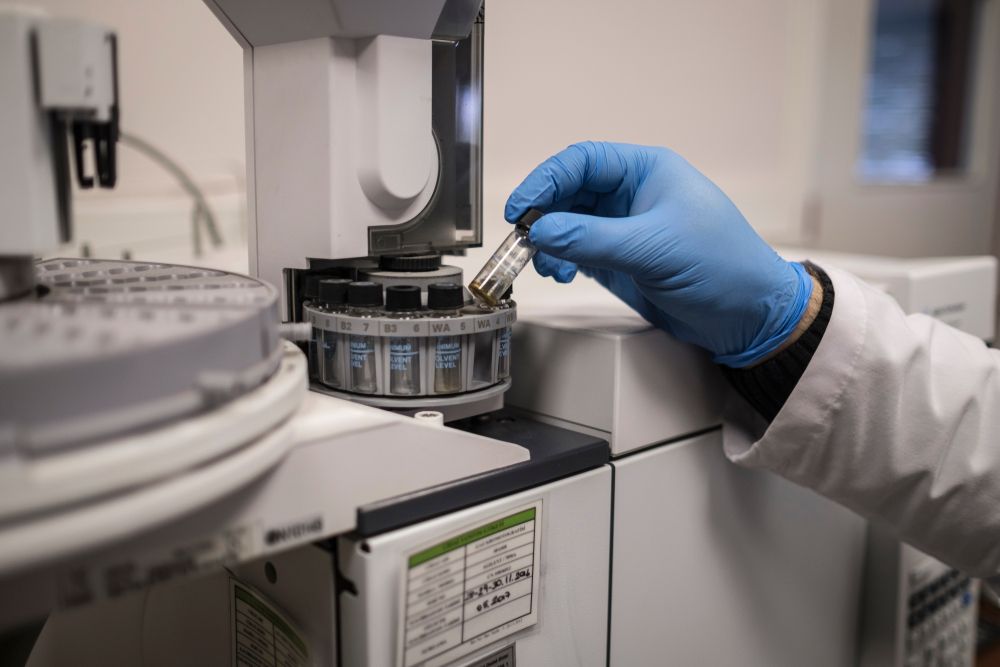
Testing involves inspecting suspect materials throughout affected areas, collecting representative samples using containment protocols, and submitting those samples to a certified laboratory for polarized light microscopy analysis. For water-damaged buildings where materials have deteriorated or commercial structures scheduled for tenant improvements, testing clarifies environmental concerns before contractors mobilize equipment or establish project schedules.
Request a material evaluation to identify asbestos concerns before renovation or repair work begins..
What Testing Reveals About Building Materials
Testing begins with a visual assessment of materials based on age, texture, composition, and location within the structure. Samples are collected from each homogeneous material type—friable insulation, non-friable flooring, textured coatings, roofing felts, and joint compounds—because asbestos content varies across products even when they appear similar. Laboratory results confirm fiber type and concentration, which determines whether Michigan asbestos regulations apply to the planned work.
Once results return, you receive documentation identifying which materials tested positive, where those materials are located, and what regulatory thresholds apply to removal or disturbance. This information allows contractors to revise project estimates, establishes whether abatement precedes other trades, and provides the data required for permit applications or insurance claim documentation.
Testing does not authorize material removal or define abatement procedures—it establishes whether asbestos is present and helps property stakeholders decide what happens next. Some projects proceed with abatement, others modify construction methods to avoid disturbing confirmed materials, and some define limited disturbance that falls below regulatory thresholds..
What Property Managers and Contractors Ask About Testing
Property owners preparing for remodeling, restoration teams responding to water losses, and contractors bidding renovation scopes often need clarity about material evaluation before work begins.
What materials require testing before renovation work begins?
Suspect materials include ceiling tiles, pipe insulation wraps, sheet vinyl flooring and associated mastics, textured wall coatings, roofing felts beneath shingles, transite siding panels, and drywall joint compounds used in certain eras—testing is recommended whenever original building materials will be disturbed during construction.
How does testing differ from abatement?
Testing collects and analyzes samples to confirm whether asbestos is present, while abatement removes confirmed asbestos-containing materials under containment and regulatory controls—testing always precedes abatement and determines whether abatement is necessary.
When should testing happen during a restoration project?
Testing occurs immediately after initial damage assessment and before contractors begin demolition, selective removal, or repairs that disturb building materials—early testing prevents work stoppages and allows restoration teams to incorporate abatement into the overall project schedule.
What happens if materials test positive for asbestos?
Positive results require the property owner or contractor to either arrange licensed abatement before disturbing those materials or modify the construction scope to avoid contact with confirmed asbestos products, depending on project goals and regulatory thresholds in Goodrich.
How long does laboratory analysis take?
Most laboratories return results within three to seven business days after samples arrive, though expedited analysis may be available for time-sensitive restoration projects or commercial renovations with fixed schedules.
Atlas Service Group, LLC coordinates material testing for residential properties, commercial buildings, and restoration projects where environmental concerns affect construction planning. Schedule a property evaluation to identify suspect materials and confirm testing requirements before your project begins.